Enhancing Lives With Specialized Memory Care Solutions
Specialized cognitive support services focus on addressing the distinct requirements of individuals facing cognitive challenges. These services highlight personalized care plans and engaging activities to enhance emotional well-being. Structured environments play an essential role in fostering security and independence. Families also find support in the care process. Understanding how these elements come together can reveal significant insights into improving quality of life for residents and their loved ones. What are the key components of effective memory care?
 }
}Information You Must Learn Regarding Memory Care Options
What factors should one consider when researching memory care services? First, it is critical to assess the level of care required based on the individual's specific needs, including their mental capabilities and functional abilities. The setting of the facility plays a significant role; a safe, secure, and engaging atmosphere can greatly enhance the quality of life for residents. Staff qualifications and training are also essential, as specialized training in dementia care guarantees that caregivers are equipped to handle difficult conduct with compassion. Additionally, it is vital to review the facility's approach to activities and social engagement, which can foster a sense of community and belonging. Finally, family involvement and support services should be evaluated, as they contribute to the overall well-being of both residents and their families. By thoroughly considering these considerations, families can choose wisely regarding memory care options.
The Benefits of Tailored Care Plans in Senior Memory Support
Specialized care plans are essential in memory care, as they tackle the distinct needs and preferences of every resident. These plans are customized to factor in individual backgrounds, cognitive faculties, and psychological health. By evaluating each resident's strengths and challenges, staff members can establish strategies that foster dignity and independence while ensuring safety and comfort.
Implementing personalized care plans cultivates a sense of community and improves overall quality of life. Residents experience appreciation when their choices about everyday schedules, recreational pursuits, and interpersonal connections are acknowledged. Additionally, these approaches facilitate effective communication between caregivers and families, ensuring everyone is aligned in supporting the resident's path.
Regular reviews of these plans allow for modifications based on evolving requirements, contributing to a dynamic care approach. Ultimately, personalized care plans serve as a foundation for empathetic, efficient memory care, resulting in improved outcomes and a better living experience for residents.
Compelling Programs for Memory Care
Meaningful experiences hold an fundamental importance in memory care, boosting brain activation and social interaction. These experiences are designed to enhance cognitive capacity while strengthening connections among residents. By adopting bespoke activities, memory care facilities can institute a supportive environment that manages both cerebral and heartfelt needs.
Mental Stimulation Activities
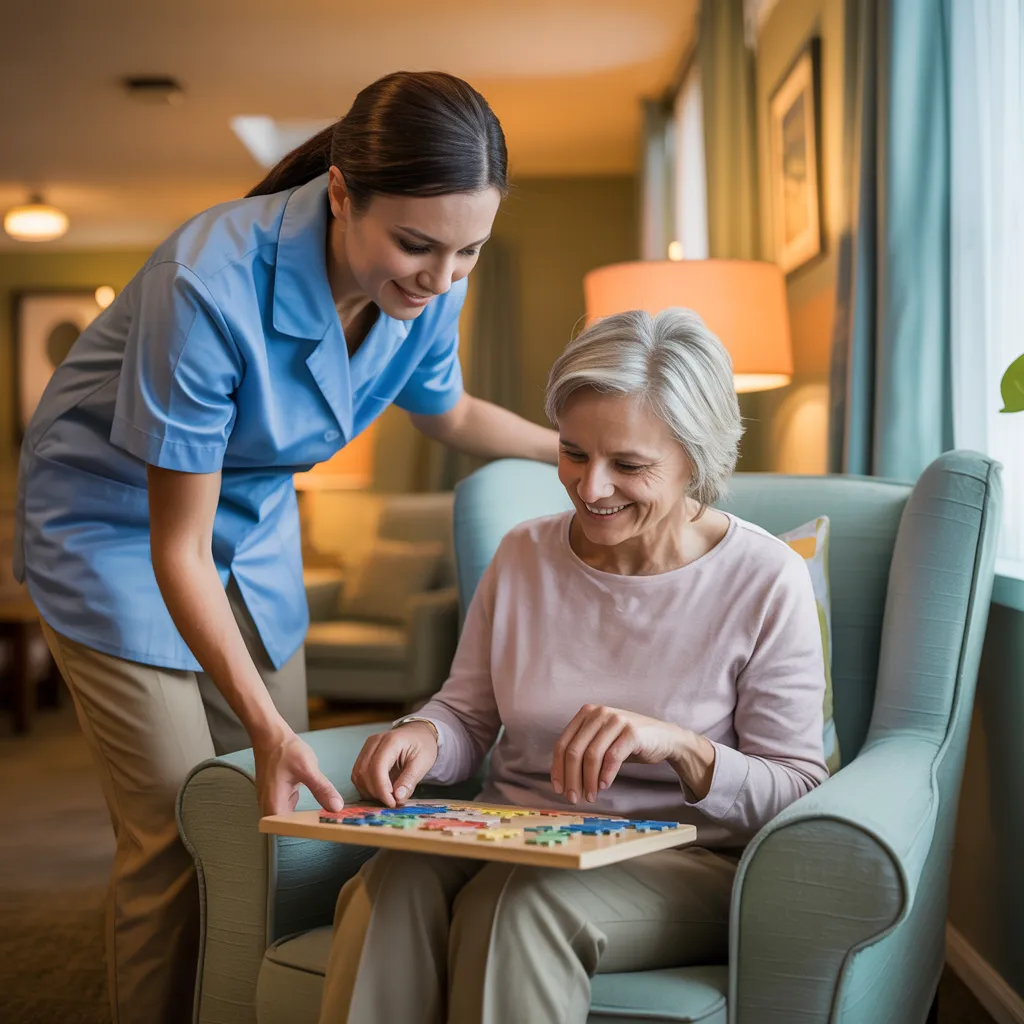
Cognitive stimulation tasks are essential in improving the quality of life for individuals in memory care. These tasks, crafted to engage the mind, include puzzles, memory games, and problem-solving activities that enhance cognitive function. By engaging in these exercises, residents can enhance their memory, attention, and overall mental agility. Such activities not only offer mental engagement but also nurture a sense of achievement and purpose. Moreover, personalized cognitive stimulation can be tailored to individual preferences and abilities, ensuring that every person remains actively involved. Overall, these tasks are fundamental in preserving cognitive health and encouraging a positive environment within memory care settings. With regular participation, individuals can enjoy better mood and an increased sense of well-being.
Social Involvement Possibilities
Connection is important for individuals in memory care, as social interaction chances significantly enhance their overall health. Activities focused on social interaction, including group games, art classes, and community outings, foster relationships among residents. These interactions not only offer fun but also stimulate cognitive function and emotional health. Consistent involvement in social activities promotes communication and alleviates feelings of isolation, which are common in memory care settings. Besides, structured social settings allow caregivers to watch interactions, adapting support to individual needs. By fostering a sense of belonging and community, social engagement plays a crucial role in enhancing the quality of life for people living with memory challenges, supporting their dignity and self-worth.
Promoting Healing Spaces in Memory Care
Memory care environments must be nurturing and vital for influencing residents' quality of life and quality of life. These spaces should be characterized by warmth, safety, and customization to enable residents to feel protected and valued. Carefully crafted layout supports mobility and accessibility, lowering confusion and enhancing comfort.
Illumination, colors, and recognizable décor are crucial elements in developing serene surroundings that trigger pleasant recollections. Outdoor spaces, such as gardens and walking paths, present possibilities for unwinding and bonding with nature, further enriching the experience.
Staff coaching in compassion and dialogue fosters purposeful connections, allowing caregivers to better understand and attend to resident needs. Additionally, consistent schedules establish a foundation of stability, helping to alleviate worry. Combined, these aspects contribute to a holistic approach that manages not just the mental challenges associated complete guide with memory deterioration but also nurtures emotional and social well-being, facilitating people to thrive.
The Way Memory Care Facilities Support Families
Memory care facilities serve a essential role in assisting families by providing emotional support and practical resources. They provide training sessions that prepare families with the knowledge required to navigate the complexities of memory-related conditions. This holistic approach promotes a stronger connection between families and their family members in care.
Emotional Support For Family Members
Many relatives experiencing the challenges associated with a loved one’s memory impairment find comfort through the emotional support given by dedicated memory care facilities. These establishments typically have compassionate staff trained to recognize the unique difficulties families undergo. Regularly held support groups enable families to connect with others facing similar circumstances, fostering a sense of community and shared experience. In addition, individualized counseling sessions address particular emotional needs, helping families deal with feelings of guilt, grief, and frustration. Memory care centers also provide resources to encourage open communication among family members, which promotes healthier family dynamics. This emotional support not only assists families in coping but also improves the quality of care their loved ones receive, creating a more positive environment for all parties involved.
Educational Assets And Workshops
Many memory care facilities provide valuable educational resources and training sessions created to support families navigating the intricacies of cognitive decline. These initiatives often cover essential topics, including the stages of dementia, communication strategies, and care management skills. By providing professional training and engaging conversations, facilities assist families build a greater comprehension of their family members' health challenges.
Moreover, resources such as informational pamphlets and distance learning options complement in-person workshops, verifying families have benefit from critical knowledge at their convenience. Support groups may also be integrated, strengthening community connections among family support providers. Ultimately, these educational initiatives not only enhance caregivers' skills but also promote psychological well-being, allowing families to face challenges with greater confidence and compassion.
Real-Life Accomplishment Tales From Memory Care Facilities
Success accounts from memory care facilities demonstrate the profound effect specialized support can have on individuals facing cognitive challenges. One patient, Mrs. Thompson, experienced significant improvements after engaging in personalized art therapy programs. Initially withdrawn, she began to express herself creatively, resulting in enhanced social interactions and emotional wellness.
Yet another achievement narrative centers on Mr. Garcia, who excelled in a structured daily routine meant to improve memory upkeep. Using mental activities and reminiscence therapy, he restored his capacity to retrieve treasured family experiences, cultivating connections with loved ones.
Facilities utilize technology-assisted activities, such as virtual reality experiences, which have enabled residents like Ms. Patel to traverse familiar environments, reducing anxiety and confusion.
These actual cases illustrate how specialized memory care offerings not only improve standard of living but also enable individuals, allowing them to participate more thoroughly with their local environments and social groups.
Frequently Asked Inquiries
What Qualifications Do Staff Members Possess in Memory Care Centers?
Individuals employed in memory care centers usually obtain qualifications such as degrees in nursing, psychology, or social work, together with specialized training in dementia care, communication skills, and knowledge in managing behavioral problems caused by memory impairments.
What Approaches Are Used for Pharmaceutical Care in Memory Care?
Drug management in memory care facilities involves trained staff dispensing prescriptions, supervising dosages, and ensuring timely intake. Periodic evaluations are performed to modify medications as needed, emphasizing residents' safety and well-being throughout their care.
Are Memory Care Services Covered by Insurance?
Care services for memory issues may be partially funded by insurance, depending on the policy. Families should reach out to their insurance providers to understand specific coverage details, including any limitations or requirements for qualification pertaining to memory care facilities.
What Safety Features Are Provided for Residents?
Safety measures for occupants typically include secure environments, qualified personnel, emergency response protocols, routine safety inspections, and surveillance technology. These approaches aim to stop elopement and guarantee a safe, supportive atmosphere for people with memory challenges.
Can Inhabitants Participate in Outings Outside the Facility?
Yes, residents can participate in outings outside the facility. These excursions are deliberately structured to promise safety and enjoyment, letting individuals to explore their surroundings while being given the vital support throughout the experience.